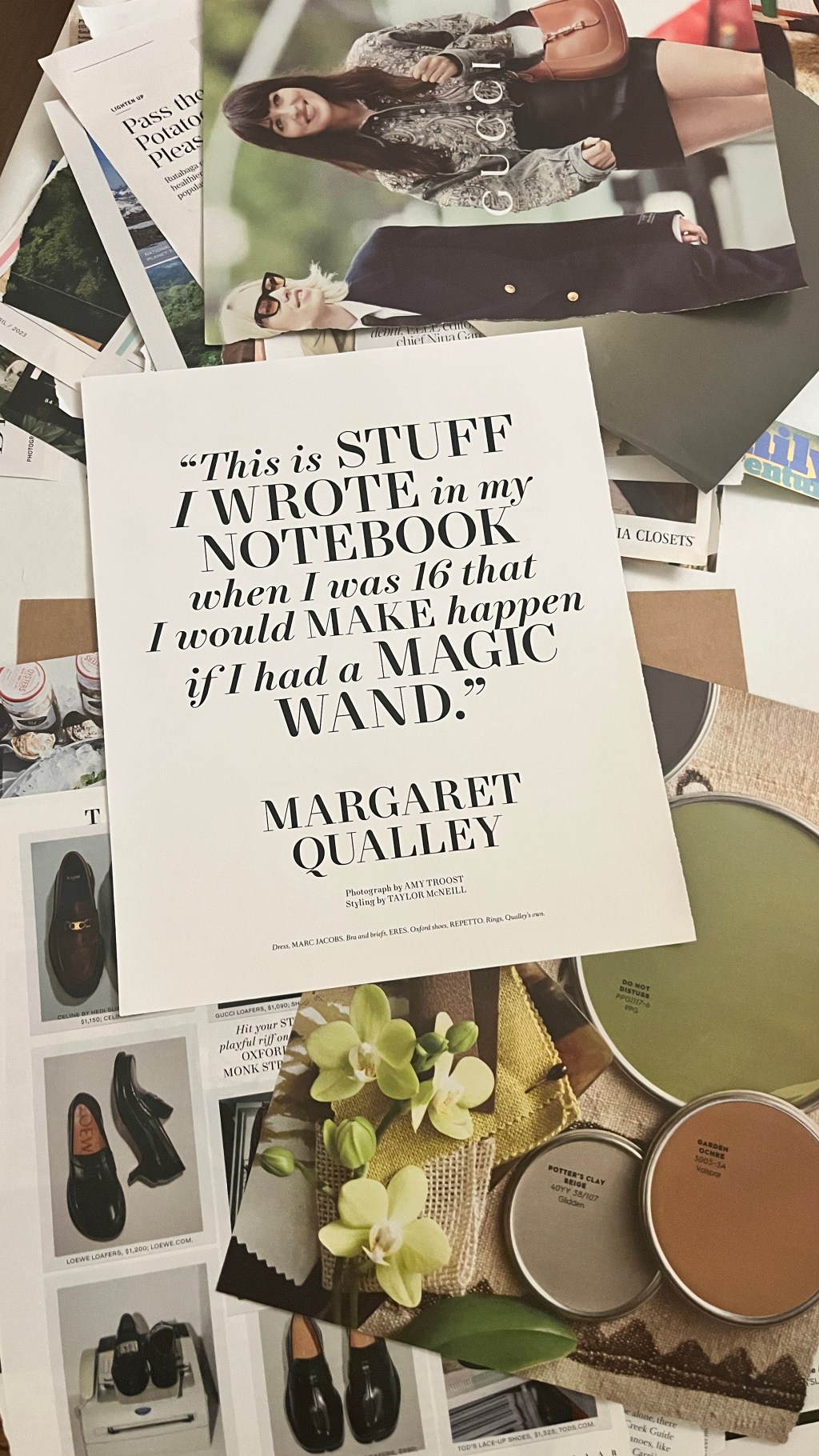
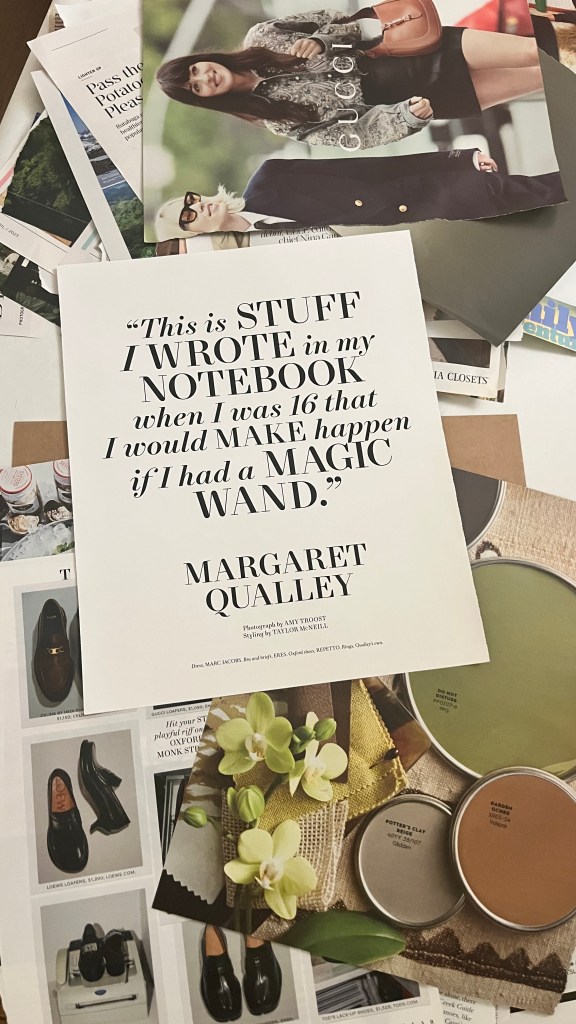
I am a very creative person. I have a lot of ideas, all the time. Some are just fun, spontaneous thoughts, and a couple of them are passion projects I can’t seem to let go of. But there’s never a time when my mind isn’t buzzing with something I want to execute. It’s a gift and a curse, if I’m being honest. I can’t help it, I’m always thinking about new ways to create, connect, and express myself. Whether it’s a new blog post idea, a new hobby I want to try, or an art project I’ve been daydreaming about, my mind is constantly in motion.
There’s a saying that I’ve heard a lot: “A jack of all trades is a master of none.” But when I look at some of my favorite multihyphenates—people who juggle multiple careers, hobbies, and creative outlets with ease—I can’t help but think that this statement isn’t as true as we’ve been led to believe. They are proof that being versatile, curious, and multi-passionate can be just as powerful as being laser-focused on one thing. These are the people who inspire me to keep pushing forward, even when it feels like my list of projects is never-ending. They are living proof that it’s possible to be skilled in many things, and that being able to pivot between passions is a strength, not a weakness.
So, what’s true? How can I (and maybe you) get all these ideas out of our heads and into reality without starting a bunch of things and never finishing any of them? I’ve been working through this myself as someone with a full-time job (which I absolutely love) that takes up a lot of my time and attention during the day. I can’t ignore the other things that fuel my spirit—my creative side needs attention too. And if you’re like me you have a bunch of ideas that you want to execute all the time. So how do you decide which ones to pursue and how to bring them to life? I did some research, and hopefully this will help you as much as it has helped me.
1. Acknowledge That Having a Lot of Ideas Doesn’t Have to Lead to Procrastination
In my experience, having too many ideas often leads to one thing: procrastination. I will plan my way into nothing, if that makes sense. I start overthinking and strategizing so much that I never actually get to the part where I put in the work. It’s a trap that many of us fall into, and I’ve learned that it’s okay to admit that it’s a real issue. But I’ve also learned how to break free from it. Procrastination doesn’t have to be the end of the road—it’s a challenge to work through.

One of my favorite strategies is something I call the “brain dump.” At the start of each week, I make it a point to sit down with a notebook (I’m a pencil and paper type of girl) and write down every single idea in my head—no filter, no judgment. I let it all spill out onto the page, whether it’s a fun thought for a new hobby or a more serious idea I’m ready to turn into a project. Once it’s all written down, I organize these ideas into categories, depending on what they’re related to. For example, a blog post idea will go into the blog/podcast category, while a potential new short film will go under the tv/film section. It’s helpful to see everything on paper. It gives me clarity and allows me to identify which ideas are calling for my attention the most.
By writing everything down, I’m giving my brain permission to release those ideas and stop holding on to them. It also makes it easier to focus, because when I see everything laid out, I can sort through them with intention. I’m not constantly trying to remember everything I want to do, and I’m not afraid to let go of ideas that aren’t quite right for me at this moment.
2. Pick Something and Start!
Once I have everything down, I have a plan to follow. But the most important part of the process is choosing what I’m going to tackle first. It can be easy to feel overwhelmed by the sheer number of things on my list, but here’s the thing: just pick something. Choose one idea that stands out or feels like the best fit for where you are right now. Don’t get caught up in finding the perfect idea. Trust me, the hardest part is always getting started. The rest of it falls into place once you make that first move.
Once you start, the momentum will carry you. You’ll find that working on the project—whether it’s writing, designing, or planning—will bring you the satisfaction you’re craving. And you know what? It’s okay if the other ideas are still swirling in your mind. That’s why you wrote them down in a safe place. You can revisit them later, but for now, focus on what’s in front of you. Being present in your current project is key. It’s so easy to get distracted by future ideas and plans, but when you give your full attention to what you’re working on now, you’ll find that it flows much more smoothly.
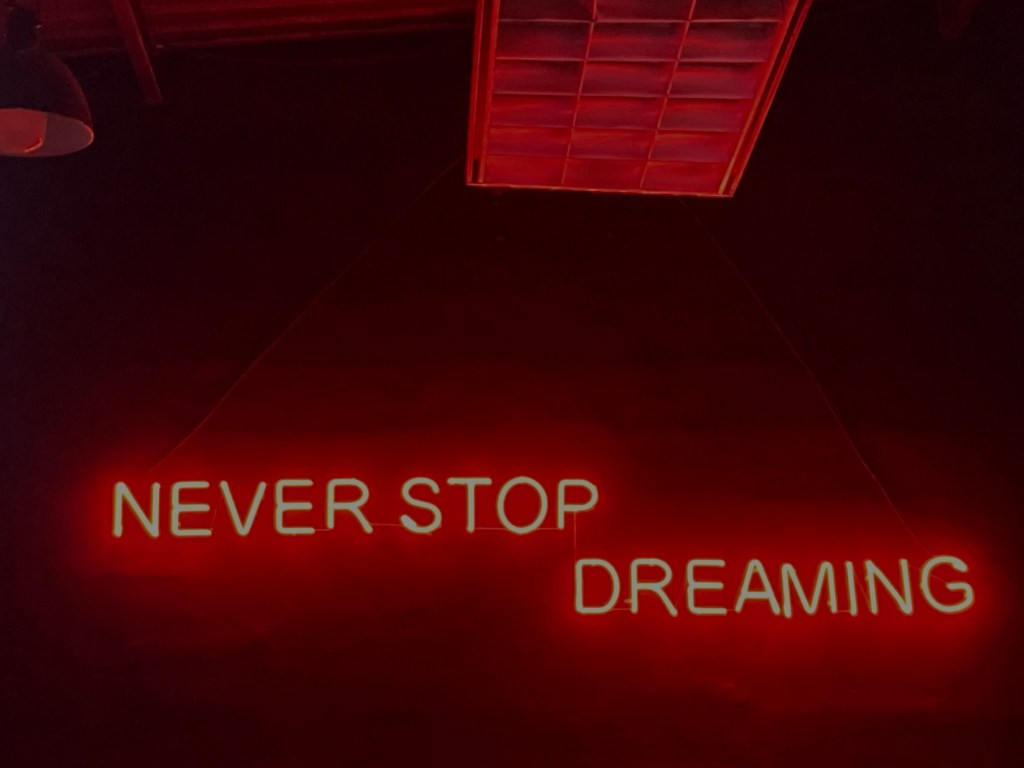
It’s also important to remind yourself that not every idea will need to be pursued immediately. By picking one and staying focused, you’re giving yourself permission to make progress, and that’s all that matters.
3. Be Present in Your Creative Work
After you’ve chosen something to work on, and begin doing that, be present in your project. I find that I like the act of creating, full stop, so being present in that allows me to not focus on all the things that I want to eventually work on and create, but what I am working on now. Start small and stay consistent.
One way I do this is by breaking my larger idea into smaller, more manageable tasks. I take one small step at a time, allowing the momentum to build gradually. Remember, progress beats perfection. It’s not about getting it perfect right away—it’s about showing up and putting in the work consistently. Small steps lead to big results, and every small victory is a step closer to bringing the bigger vision to life.
I’ve also realized that by staying present, I’m able to enjoy the process. It’s easy to become frustrated when I’m not seeing results right away, but staying focused on the task at hand helps me appreciate the small wins that happen along the way. Creativity is not always about the final product—it’s about the joy of creating itself.
4. Batch Your Work to Stay Consistent
Another thing that has helped me manage multiple projects is batching my work. As someone with a full-time job, it’s important for me to be intentional with my time. So, I dedicate specific days to specific tasks. For example, one day might be for writing blog posts, another for editing content, and yet another for scheduling social media or planning my next moves. By focusing on one type of task at a time, I don’t feel overwhelmed by trying to do everything all at once.
Batching also helps me maintain consistency. When I give myself a block of time to focus solely on one task, I can dive deep into the work and make significant progress without distractions. The key is to stay disciplined and avoid spreading yourself too thin. By scheduling specific time blocks, I’m able to give my best self to each project without feeling burnt out.
5. Set Deadlines for Yourself and Honor Them
Deadlines aren’t just for work—they’re for your dreams too. I’ll be honest, I haven’t always been the best at sticking to deadlines I set for myself. It’s so easy to push things back when life gets busy, and sometimes I’ve had to move a deadline or two. But the more I do this, the more I realize that moving a deadline too often can break the trust you have with yourself. And that’s when procrastination creeps back in.
A creative idea without a deadline is just that—a fleeting thought. It stays in your head, waiting to be actualized. But when you set a deadline for yourself, it forces you to make a decision, take action, and move forward. Deadlines help create a sense of urgency and purpose, which can push you to get things done even when motivation feels low. And if life happens and you need to adjust a deadline? That’s okay too. Just be sure to communicate that with yourself and stay committed to finishing what you started.

When you honor your deadlines, you reinforce your ability to follow through. And the more you prove to yourself that you can meet your deadlines, the easier it becomes to trust yourself to complete future projects.
6. It’s Okay to Let Go of Ideas That Don’t Serve You
Lastly, I want to leave you with this: It’s okay to let go of ideas that don’t serve you. Not every project you start will be a success, and not every idea you have will be something you’re meant to see through to the end. That’s okay. In fact, sometimes the most creative thing you can do is let go of an idea that doesn’t bring you joy or doesn’t align with your bigger goals. It’s all part of the creative journey.
Letting go doesn’t mean failure—it means growth. You’re learning more about yourself, your passions, and what truly sparks joy in your life. So don’t be afraid to pivot or even abandon certain projects when the time comes. You’re just clearing space for something new and even better.

I hope these tips help you (and me!) bring our creative ideas to completion. It’s all about balance, consistency, and having grace with ourselves during the process. So the next time you’re feeling overwhelmed by a flood of ideas, just remember: Pick something, start small, stay consistent, and enjoy the journey.
How do you manage all your big ideas? Let me know in the comments below! Together, we can turn those creative dreams into reality, one project at a time.



 Corrine Arnell
Leave a comment